Dry Needling Mosman Park
Targeted treatment for muscular tension and pain
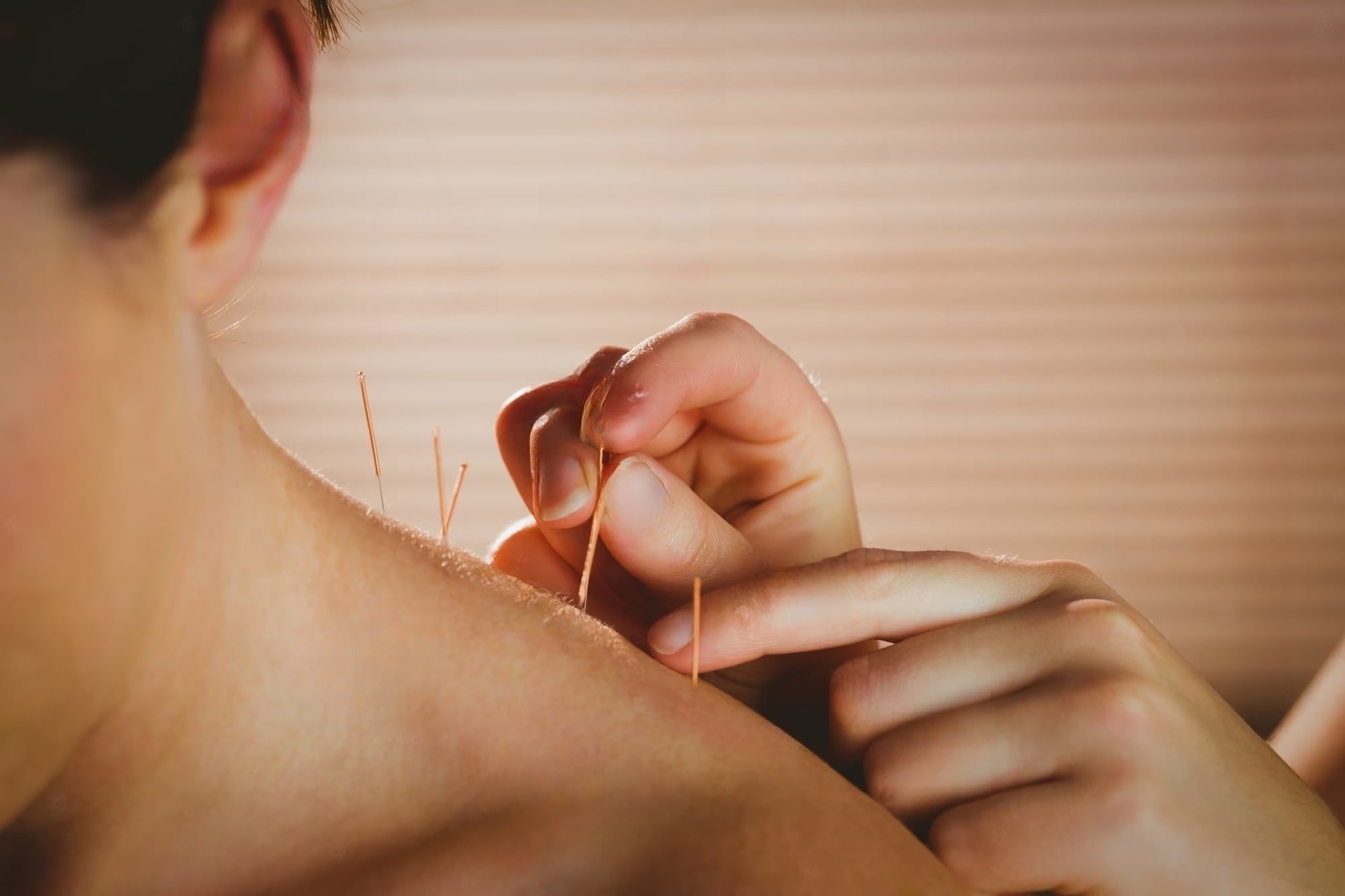
Dry needling is a technique used by physiotherapists to help reduce muscular tension, improve movement and assist in the management of pain. Fine, single-use sterile needles are inserted into specific points within muscles to encourage relaxation, reduce sensitivity and support movement restoration.
At In Clinic Physiotherapy, we provide dry needling as part of a broader physiotherapy treatment plan for patients across Mosman Park, Cottesloe, Peppermint Grove, Claremont, Dalkeith and North Fremantle.
What Is Dry Needling?
Dry needling involves inserting small, thin needles into tight or sensitive areas of muscle tissue. This can help reduce muscular tension, improve local blood flow and decrease protective muscle guarding.
Dry needling is commonly used alongside:
Manual therapy
Exercise-based rehabilitation
Load management strategies
Strength and conditioning programs
It is rarely used as a standalone treatment — instead, it forms one component of a holistic physiotherapy approach.
Conditions Dry Needling May Assist With
Dry needling may be used to help manage symptoms associated with:
Neck and shoulder tightness
Upper back muscle tension
Lower back discomfort
Hip and glute tension
Calf and hamstring tightness
Running-related overload or muscle irritation
Postural or desk-related muscular discomfort
Your physiotherapist will assess whether dry needling is appropriate for your condition.
What to Expect During a Dry Needling Appointment
1. Assessment
Your physiotherapist will assess your symptoms and determine whether dry needling may be suitable as part of your treatment plan.
2. Explanation and Consent
The technique is explained, including sensations you may feel. Consent is obtained before treatment begins.
3. Dry Needling Treatment
Fine needles are inserted into targeted muscles. You may feel a deep ache or small muscle twitch — this is normal.
4. Hands-On Treatment (if appropriate)
Dry needling is often combined with joint mobilisation, massage or stretching.
5. Exercise Prescription
Exercises may be provided to improve strength, mobility or control.
6. Post-Treatment Guidance
Your physiotherapist will advise you on what to expect over the next 24 hours and how to support recovery.
Is Dry Needling the Same as Acupuncture?
No. Although similar needles are used, dry needling is based on modern musculoskeletal assessment and is used to target muscle tension and movement-related issues. Acupuncture originates from traditional Chinese medicine principles.
Is Dry Needling Safe?
Dry needling is considered safe when performed by trained physiotherapists using sterile, single-use needles. Your physiotherapist will discuss any contraindications or concerns with you before beginning treatment.
Does Dry Needling Hurt?
Most people feel very little discomfort. Some experience a mild ache, heaviness or brief muscle twitch during treatment. These sensations are normal and short-lived.
Book an Appointment
If you would like to explore whether dry needling may assist your condition, our physiotherapists can discuss its role as part of a comprehensive treatment plan.
Book Online — available 24/7
Call Us — speak with our reception team
Providing care for Mosman Park, Cottesloe, Peppermint Grove, Claremont, Dalkeith and North Fremantle.
FAQ — Dry Needling
What does dry needling feel like?
Most people feel a mild ache or brief twitch. Sensations usually settle quickly.
Is dry needling safe?
Yes. Physiotherapists use sterile, single-use needles and follow strict safety standards.
How long do the needles stay in?
This varies but is often between a few seconds and several minutes, depending on the technique and muscle area.
Will dry needling fix my pain?
Dry needling is used as part of a broader physiotherapy plan. Its goal is to assist with muscular tension and movement.
Do I need to rest after dry needling?
Most people continue daily activities as normal. Mild soreness can occur and usually settles within 24 hours.
Can dry needling be used during sports rehabilitation?
Yes. It is commonly used alongside exercise-based rehabilitation and load management.